
Fundraising and refinancing for UK mid-market businesses
The capital question is rarely only about the money. It is about which partner you end up with, what they will expect at the board table, what happens if the plan slips, and what the structure does to your own position on a future exit.
We advise UK owner-managed and mid-market businesses raising growth capital or restructuring existing facilities, with funding requirements from a few million up to £100m.
The structure matters more than the headline
Two offers at the same headline number can leave you in entirely different positions three years later. Equity is expensive but patient; debt is cheaper but unforgiving of a missed forecast; hybrid structures sit between the two and are frequently the right answer for a profitable business with lumpy cash requirements.
The variables that matter are dilution, control, cost of capital, security, covenant headroom, and what each option does to your optionality on exit. We model these side by side before approaching anyone, so the decision is made on comparison rather than on whichever term sheet lands first.
What we raise and who we raise it from
We maintain relationships with over 100 active capital partners across the UK market:
Private equity and growth equity funds, for minority and majority investment.
Debt funds and alternative lenders, for unitranche, mezzanine and structured facilities.
Clearing and challenger banks, for senior term debt and working capital.
Asset-based lenders, for invoice, stock and plant-backed facilities.
Family offices and private investors, where a longer hold period and lighter governance suit the business better than institutional money.
Breadth matters because the right lender for a capital-light services business is rarely the right lender for a manufacturer with £4m of plant on the balance sheet.
Getting a business fundable before going to market
Most failed raises fail before the first meeting. The plan is not evidenced, the forecast does not tie to the management accounts, the funding requirement is stated without being justified, or the business cannot explain what the money buys and what it returns.
We work on that first: an integrated model that stands up to interrogation, a clear statement of use of funds, a downside case that has been thought about rather than avoided, and a management presentation that answers the questions an investment committee will actually ask.
Refinancing when the facility has become the constraint
Existing facilities frequently outlive their usefulness. Covenants set against a smaller business restrict a larger one, personal guarantees remain in place long after the risk that justified them has gone, and pricing agreed in a different rate environment stops being competitive.
A refinance can release working capital, fund an acquisition, remove personal exposure, extend maturity ahead of a sale process, or simply reset terms with an incumbent who has become comfortable. We run these as a competitive process even where you intend to stay put, because the alternative quote is what moves the incumbent.
Senior advisers, no associate layers
Sam Miller and Stephen Murray lead every engagement personally. Between them they have raised over £200m for UK businesses and completed more than 50 transactions. Both have raised capital as operators and deployed it as investors, which is a materially different perspective from having only ever advised on it.
Common questions
How much can you raise? We advise on requirements from around £1m to £100m, across debt, equity and hybrid structures.
Will I have to give up control? Not necessarily. Minority equity, structured debt and hybrid instruments all raise capital without a change of control. Which is appropriate depends on quantum, cash generation and your own exit intentions.
How long does a raise take? Typically three to six months from mandate to funds, assuming the business is fundable when we start. Where preparation is needed first, add two to three months.
Do you charge a success fee? Fee structures vary by mandate and are agreed in writing before any work begins. We will always tell you what a process is likely to cost before you commit to it.
We have been approached directly by a fund. Do we still need an adviser? A direct approach is a good problem to have and a poor negotiating position. A single unchallenged bidder sets the terms. We can run a fast, discreet process alongside that conversation to establish whether the offer is competitive.
Related Services
Financial Readiness & Modelling - for the integrated model a funder will require
Buy & Build - where the raise is intended to fund acquisitions
Exit Planning - where a raise is a step towards a later full exit
Raising growth capital or refinancing existing facilities?
Contact Sam Miller or Stephen Murray directly for an initial confidential discussion.
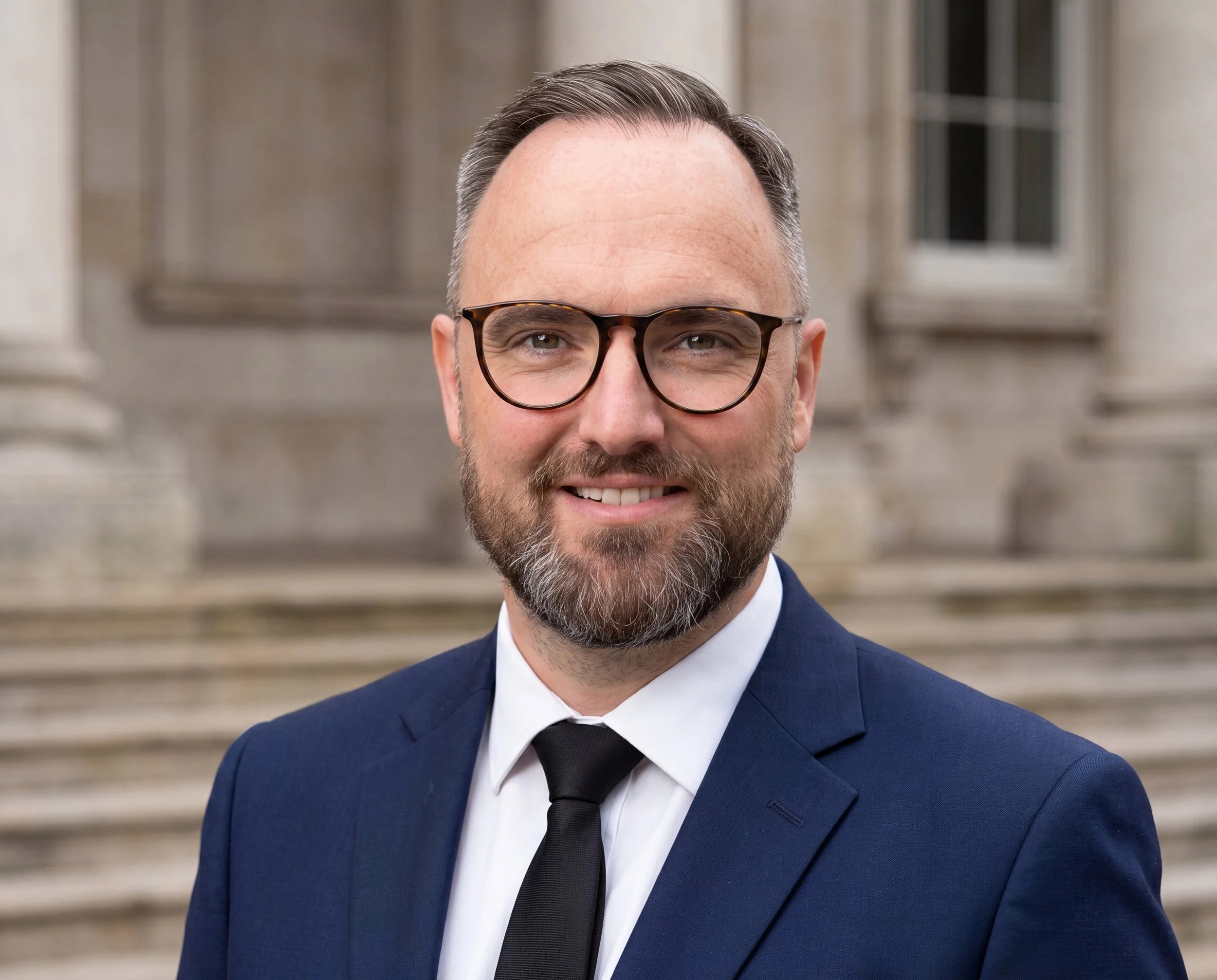
Sam Miller
Co-Foundersam.miller@baysideadvisory.co.uk
07940 829 846
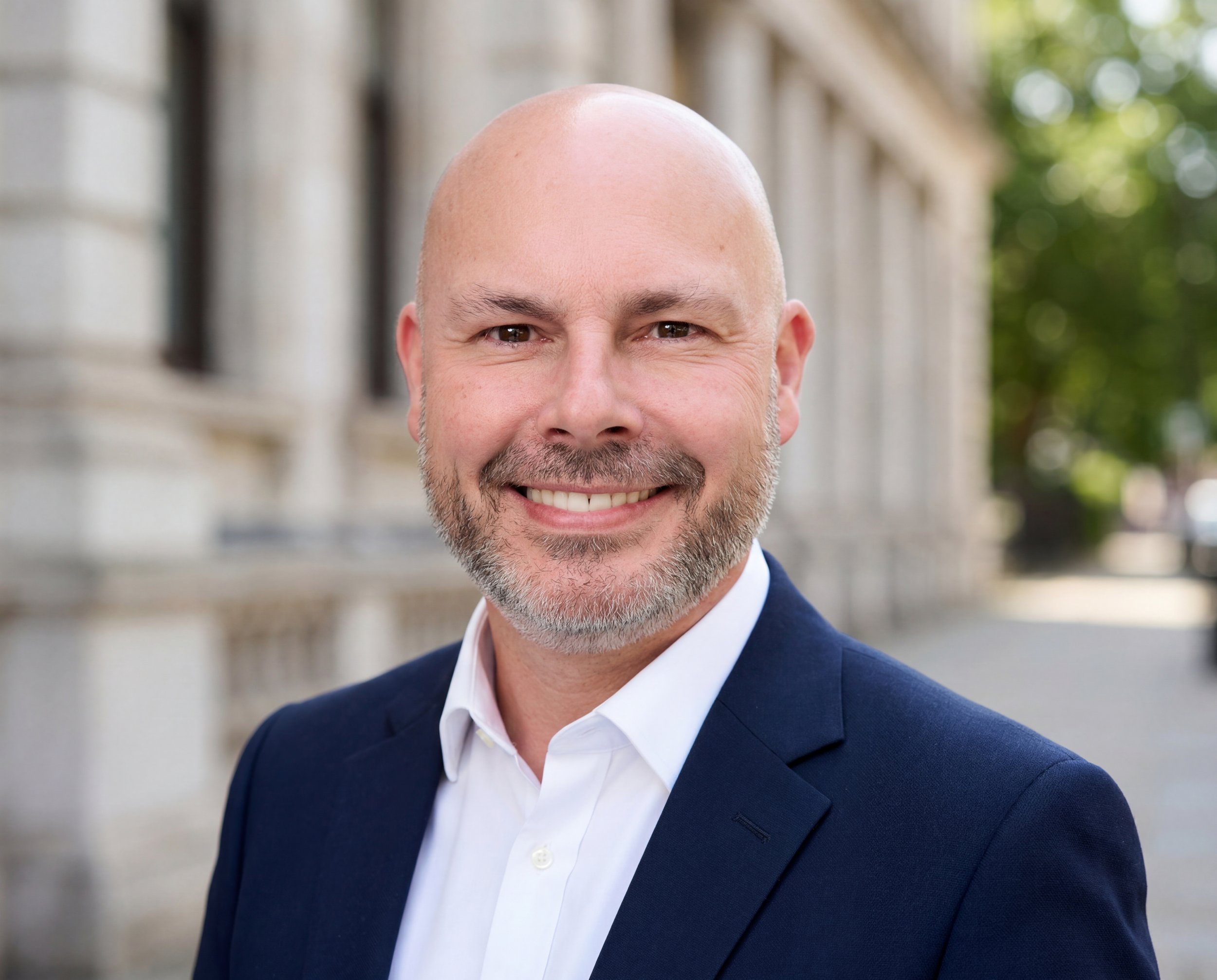
Co-FounderStephen Murray
stephen.murray@baysideadvisory.co.uk
07577 611 974